
Model-based applications
Custom simulation applications your own people run
A model that only its builder can run answers one question once. We wrap simulation and optimization models in apps that planners, analysts and executives use every week, in the language of their job.
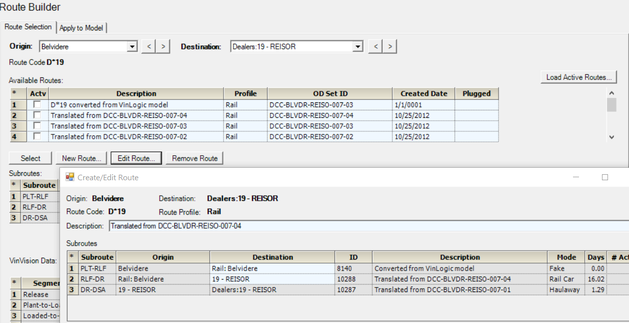
Models vs. apps
What makes a model an application
A model speaks the modeler's language. An app speaks the language of the business problem: routes, orders, lines, budgets.
Screens for the job
Inputs and reports use the terms your planners already use. Nobody has to learn simulation to ask "what would happen if".
Connected to your data
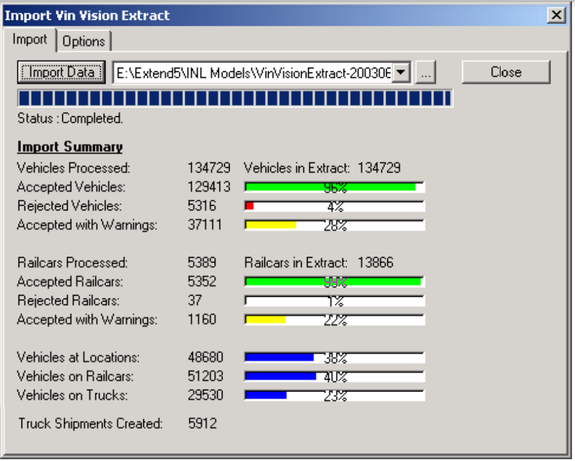
The app starts from the real state of the system, pulled from the systems you run today, so each run reflects this week and not last quarter.
Fast enough to use
When a model outgrows its tool, we rebuild it in .NET, C# or F# so it runs in minutes. A tool that takes hours doesn't get used.
Any model we build can become an app with a little more work. That is why we build models the way we do, in ExtendSim, Plant Simulation or code, with the data kept apart from the logic.
Case in point
VINLogic: from a 6-hour model to a 20-minute app
Insight Network Logistics ran new-vehicle distribution for DaimlerChrysler across North America: plants, rail ramps, ports and about 3,500 dealers, with more than 100,000 vehicles in transit at any time.
We first built the model with our Supply Chain Builder library in ExtendSim. It worked, but with terabytes of tracking data it took 6 hours to run. No CFO waits 6 hours for a budget answer. So we rebuilt it in .NET, connected it to the live vehicle-tracking system, and got the run down to 20 minutes.
- Analysts ran it every week to plan the next two weeks of rail and truck resources.
- The CFO ran it to set the annual budget.
- During Hurricane Katrina, it was used to reroute vehicles and estimate when the network would recover.
- It stayed in use for more than 10 years.
"VinLogic is at the heart of what we do. Our analysts run it every week. I run the model to more accurately predict our annual budget! The reason we never call you is because the model just works."
CFO, Insight Network Logistics
At scale
Decision apps used by 10,000+ people a day
After VINLogic, a long-time consumer packaged goods client asked us to build a production-loss application for its plants around the world. It is now used by more than 10,000 people a day, most of them plant staff, not analysts.
That work runs under long-term service agreements, with our own developers maintaining and extending the apps year after year.
What we build with
- .NET, C# and F# for the engine and back end; F# for the models, C# for integration.
- Desktop and web front ends: WPF, Blazor and JavaScript, chosen for who uses the app and where.
- Your systems: ERP, MES, historians, SQL Server and cloud databases, with sign-in through your directory.
- Your reporting: results that land in Power BI or Tableau when that is where people already look.
How it goes
From a model to an app people rely on
1. Build and trust the model
We answer one real question first, check the model against how your system actually behaves, and agree on what it is good for.
2. Wrap it for the user
We sit with the people who will run it and design the screens around their decisions. The model's internals stay out of sight.
3. Run it and keep it running
We connect it to your data, roll it out, and stay on to support it as your operation changes.
Case studies
Models that became tools people use
More in the case studies, the self-guided tour and our papers.
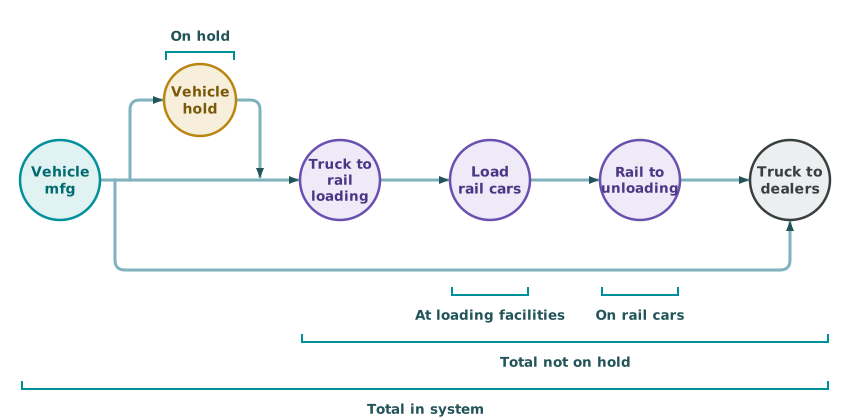
VINLogic: $21.7M saved in vehicle distribution
Forecasting a 2.5M-vehicle rail network: $21.7M saved and transit time cut 19%.
$21.7M inventory carrying costs saved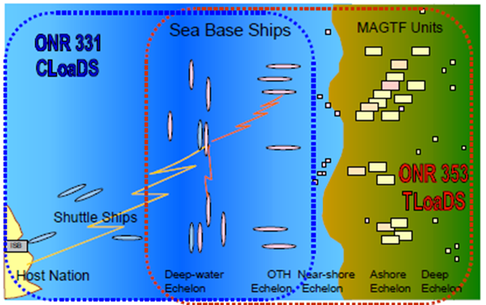
TLoaDS: resupplying Marine units from the sea
Can a force ashore be sustained from ships at sea? A model of the whole supply chain.
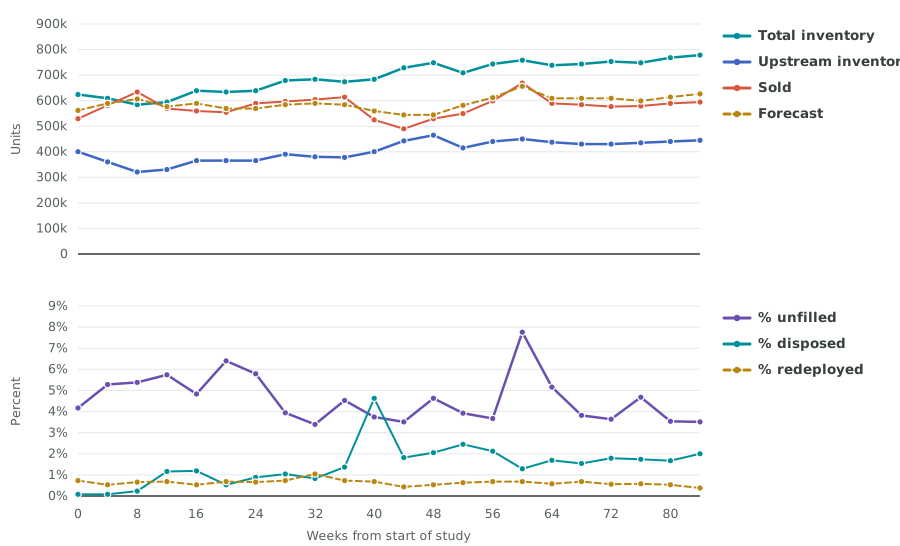
Where to hold cycle stock: plants or DCs
Plants or distribution centers? Testing where cycle stock should sit, item by item.
Tell us your problem
What would happen if you changed it?
Describe the decision in front of you. We'll tell you whether a model can answer it, and what it would take.
- A straight answer on whether simulation is the right tool
- Which tool fits, even if it isn't one we use every day
- A rough scope and timeline, before any commitment