
Bottling and packaging lines
Packaging line simulation for high-speed filling and packing
Buffer sizes, line speeds, downtime and changeovers all interact on a fast line. A model shows what a new filler, a longer conveyor or a different schedule will really do to output, before you buy the equipment.
The questions
What a packaging line model answers
A packaging line is a chain of machines that each stop on their own schedule. The output of the whole line depends on how those stops overlap.
Buffers and accumulation
How much conveyor or bin space between machines, and where. More buffer often means more output, up to a point.
Line speeds
Whether a faster filler adds output or just starves and blocks more often. How to set each machine's speed relative to its neighbors.
Downtime
Which stops cost the most output, so maintenance and improvement money goes where it pays back first.
Changeovers and schedules
Run lengths, sequence and changeover time, and what they do to output and to the stock waiting downstream.
Example
Fix the failure, or buy more buffer?
This model is a powder filling and packing line, from making and mixing through the filler, labeler, checkweigher, case packer, palletizer and stretchwrapper. Every machine carries its real list of stops.
We varied the size of "Buffer 3," between the filler and the labeler, and ran it against dozens of failure scenarios. Output climbed quickly with the first bit of buffer and then flattened. Comparing scenarios showed which failures were worth more to fix than any extra buffer.
Read the full worked example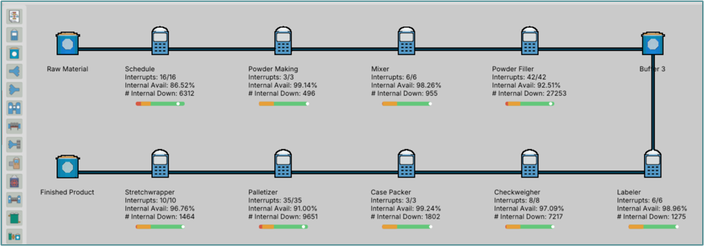
Why it is hard
Spreadsheets miss the stops
A spreadsheet can multiply rated speed by uptime. It cannot tell you what happens when the case packer stops while the accumulation table is half full, or when a changeover on one line leaves bulk product with nowhere to go.
Those interactions decide real output. When processes run in sequence with no buffer, a stop at one machine stops its neighbor at once. With some buffer, the neighbor stops a little later, or not at all. Where the returns from more buffer start to shrink is something a model can answer in a practical way.
Bottlenecks can also move. Depending on which products are running and how the equipment is set up, the constraint shifts from one machine to another. Run too long on one product and you can end up with "bin lock": product made too fast, and no way to package the product you actually need.
Built for fast lines
We invented the method for this
A line moving hundreds of containers a minute is a flow, not a queue of parts. Andy Siprelle created bulk flow simulation in 1990 to model it that way. It became discrete rate simulation, now in every major simulation package.
A rate model runs fast enough to test many buffer sizes, speeds and failure scenarios in the time an item-by-item model runs a few. When the question does depend on individual units, we use a discrete event model instead.
Case: chemical bagging lines
Overtime or new bag lines?
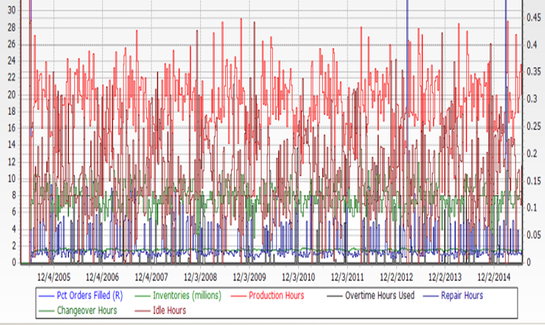
A chemical manufacturer's bag lines were tied directly to its bulk production lines, so they had to pack product as it was made. We modeled the current setup and a new one with short-term storage between bulk production and bagging, run over a 10-year horizon.
The model weighed the cost of each bag line configuration against the overtime it would need, and the client kept using it for schedule and production assessments.
"We have uncovered additional options for low capital cost business growth, some of which were not readily apparent beforehand."
Rick Dougherty, Senior Manufacturing Analyst, Rohm & Haas (Dow Chemical)
Case studies
More packaging work
From a single bag line to moving packaging closer to the customer.
Chemical bagging lines: capacity vs. overtime
Weighing new bagging lines against overtime, and finding low-capital room to grow.
Packing at the DC: inventory vs. bulk stock
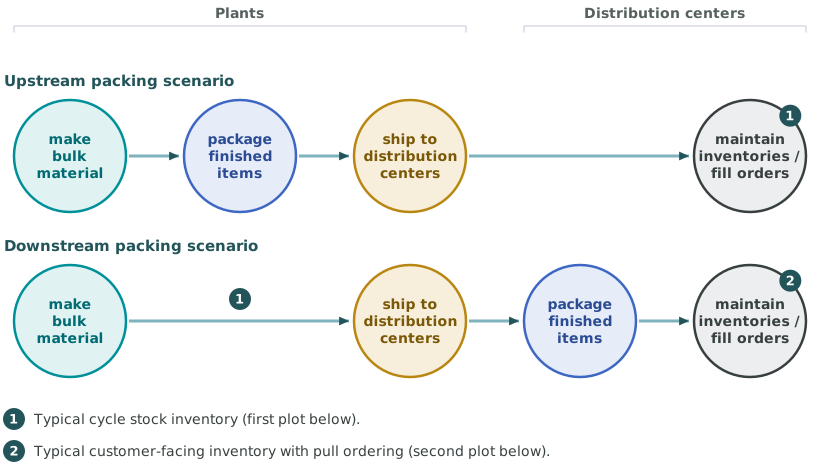
Should packaging move to the distribution centers? The answer, product by product.
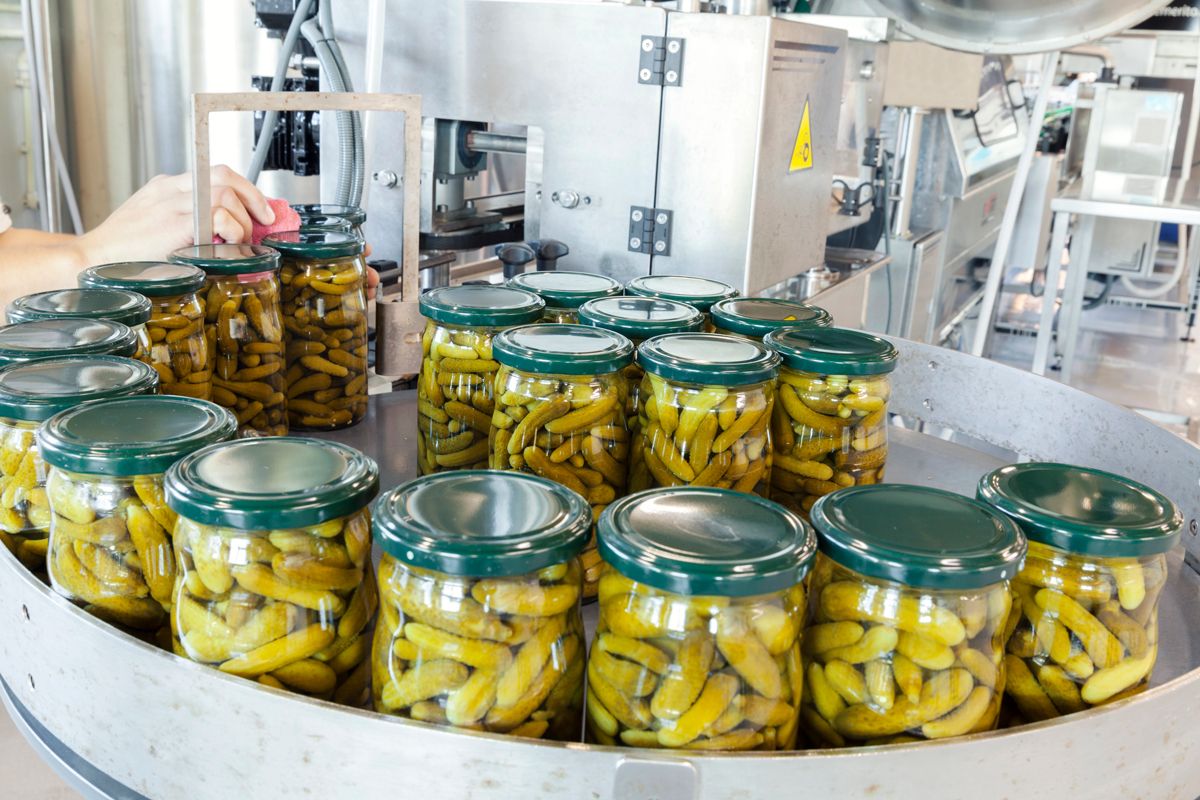
Olive plant capacity: 15% more throughput
Finding the real bottlenecks in an olive plant, and 15% more throughput from scheduling.
15% throughput improvementTell us your problem
What would happen if you changed it?
Describe the decision in front of you. We'll tell you whether a model can answer it, and what it would take.
- A straight answer on whether simulation is the right tool
- Which tool fits, even if it isn't one we use every day
- A rough scope and timeline, before any commitment