

ExtendSim® consultants
ExtendSim consultants, from the team behind its first rate libraries
We have built Extend and ExtendSim simulation models for more than 35 years. The Bulk Flow (Rate) and Database libraries we wrote for Extend were the origin of ExtendSim's Discrete Rate and Database libraries.
Heritage
We were there before the discrete event library
Andy Siprelle adopted Extend, now ExtendSim, before it even had a discrete event library. He worked closely with Bob Diamond, who founded Imagine That and created Extend, and with the developers who built it. ExtendSim is now developed by ANDRITZ. Our founder's goal matched Bob's: simulation that people outside the academic world could use.
Over the years that followed we completed hundreds of Extend projects on production lines, multi-stage plants and supply chains. That project work shaped the libraries we built, and the libraries shaped the next projects.
Our original Bulk Flow (Rate) and Database libraries sold 700+ licenses. They were the origin of ExtendSim's current Discrete Rate and Database libraries. Andy also created the first official ExtendSim training program. The same team now builds ReliaSim, the third generation of the rate method, and our ExtendSim case studies have been rebuilt in it.
"If you want to model something that is expressed in terms of rates, you need SDI Industry." Darrell Starks, Simulation Consultant, Integral Solutions
Our ExtendSim timeline
- 1990
Bulk flow simulation
Andy Siprelle creates rate-based modeling for high-speed and bulk lines. It is later renamed discrete rate simulation.
- 1995
First paper, built on Extend
"Modeling a Bulk Manufacturing System Using Extend," Siprelle and Parsons, Winter Simulation Conference.
- 1990s
Rate and database libraries
Our Bulk Flow (Rate) and Database libraries sell 700+ licenses and become the origin of ExtendSim's Discrete Rate and Database libraries.
- 1998
SDI Industry
"SDI Industry: An Extend-Based Tool for Continuous and High-Speed Manufacturing," Siprelle, Phelps and Barnes, WSC.
- 2000s
Supply Chain Builder and VINLogic
Our Supply Chain Builder library carries a vehicle distribution model that later becomes the VINLogic app.
- Today
Still building on it
Custom models, blocks, libraries and apps for teams that run ExtendSim.
What we build on ExtendSim today
Four kinds of ExtendSim work
Some clients come to us with a question and no model. Others have an ExtendSim model or database their business has depended on for years.
Custom blocks
Blocks that behave like your equipment, with your failure modes, rates and control rules built in, so the model reads like your line.
Libraries
Reusable sets of blocks for a whole plant or company, so every new model starts from tested parts instead of a blank sheet.
Database-driven models
Rates, failures, repair times and schedules live in the model's database, not in the blocks. Change the data and the same model answers the next question.
Model-based apps
The model wrapped in screens your planners understand. When a model outgrows the tool, we rebuild it in .NET so it runs in minutes.
Licenses come from the vendor. We build what you run on them.
Moving a model between tools or versions? We move ExtendSim models to Plant Simulation or to custom apps, and bring older models up to date. Model migration
Want your own block library? We build and curate ExtendSim libraries so your modelers start from tested equipment. Simulation libraries
Training your team? We wrote the first official ExtendSim course and still teach it: fundamentals, discrete rate, database and ModL, on your own models. ExtendSim training courses
Discrete rate simulation
The rate-based method started in our libraries
A filling line moving product at high speed is a flow, not a queue of separate parts. Our bulk flow library modeled it that way, which made models of packaging, food and bulk-handling lines run far faster than item-by-item models. The same idea now appears in every major simulation package.
We still use it on ExtendSim projects, and we know where its edges are.
Hiring an ExtendSim consultant
What to expect when you bring us in
Most ExtendSim consulting work starts one of three ways: a question with no model yet, an Extend or ExtendSim model someone else built, or a model that has become too slow or too large for the people who use it. We scope the question first, then agree on the model, the data and what "validated" means before any building starts.
- New models: built for the decision, validated against what the line or network actually did.
- Inherited models: read, documented and checked. When one is rebuilt, our converter checks it against the original down to seed and stream parity, so the two are compared run for run. See model rescue.
- Custom blocks and libraries: your equipment and rules, built once and reused. See simulation libraries.
- Training: ExtendSim taught on your own models. See ExtendSim training.
Questions
Do you work with older Extend models?
Yes. We built on Extend from its early versions, so older models and libraries are familiar ground. We can update them, move them to current ExtendSim releases, or migrate them to another tool. Our converter checks every rebuild against the original down to seed and stream parity, for every Extend library and for models from other tools too.
Do you only work in ExtendSim?
No. We are simulation consultants first and pick the tool that fits the question: ExtendSim, Plant Simulation, ReliaSim®, or a custom model when a package isn't enough.
Can you work remotely?
Yes. Most projects run remotely with regular model reviews, plus site visits when seeing the line matters.
Will our team be able to run the model?
That is the goal. We document the model, train the people who will own it, and can wrap it in an app for users who will never open ExtendSim.
Case studies
ExtendSim projects we can show you
A chemical packaging line and an olive plant modeled with our rate libraries, and a vehicle network that started in Supply Chain Builder.
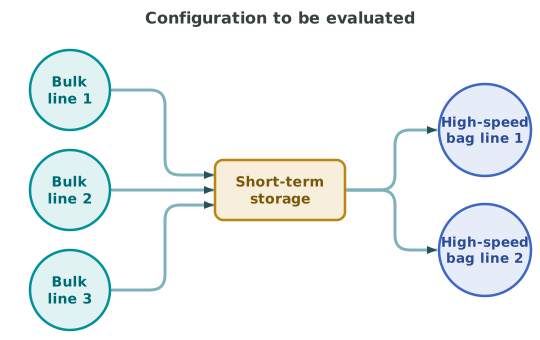
Chemical bagging lines: capacity vs. overtime
Weighing new bagging lines against overtime, and finding low-capital room to grow.
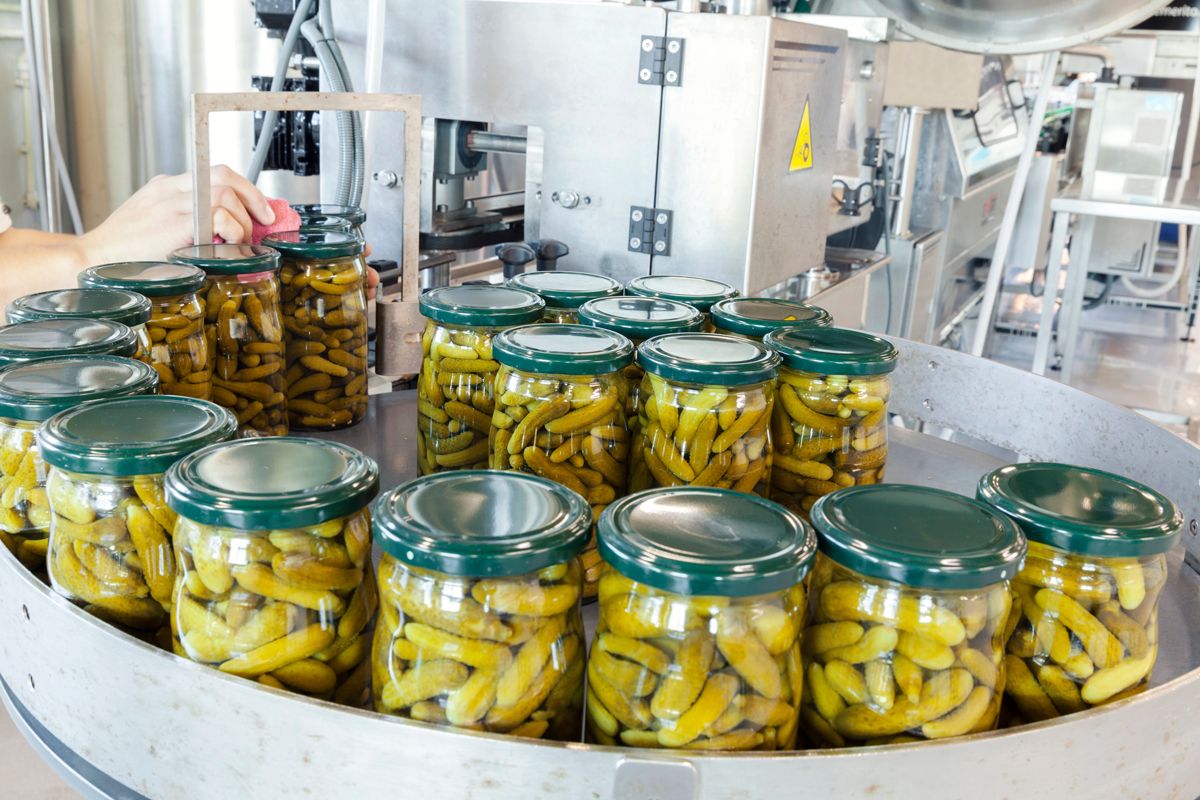
Olive plant capacity: 15% more throughput
Finding the real bottlenecks in an olive plant, and 15% more throughput from scheduling.
15% throughput improvement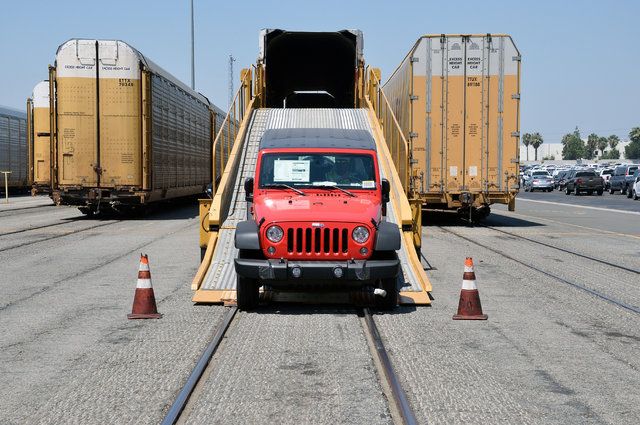
VINLogic: $21.7M saved in vehicle distribution
Forecasting a 2.5M-vehicle rail network: $21.7M saved and transit time cut 19%.
$21.7M inventory carrying costs savedTell us your problem
Looking for an ExtendSim consultant?
Tell us what it does today and what you need it to answer next.
- A straight answer on whether simulation is the right tool
- Which tool fits, even if it isn't one we use every day
- A rough scope and timeline, before any commitment